Visit Lake Tuz for an open salt-lake landscape, not a guaranteed pink lake or mirror photograph. Summer and early autumn are the more logical starting points for exposed salt, but water levels and colour vary. Choose a recognised access point near your route, stay on permitted visitor areas and judge conditions on arrival rather than reproducing a social-media image.[1][2]
What Lake Tuz is - and why the photographs differ
Lake Tuz, or Tuz Gölü, lies in the Central Anatolian basin shared by Ankara, Aksaray and Konya. Official tourism information identifies the Şereflikoçhisar side along the Ankara–Aksaray road as one approach.[1] It is a landscape spread over a large area, not one attraction with a single universal entrance.
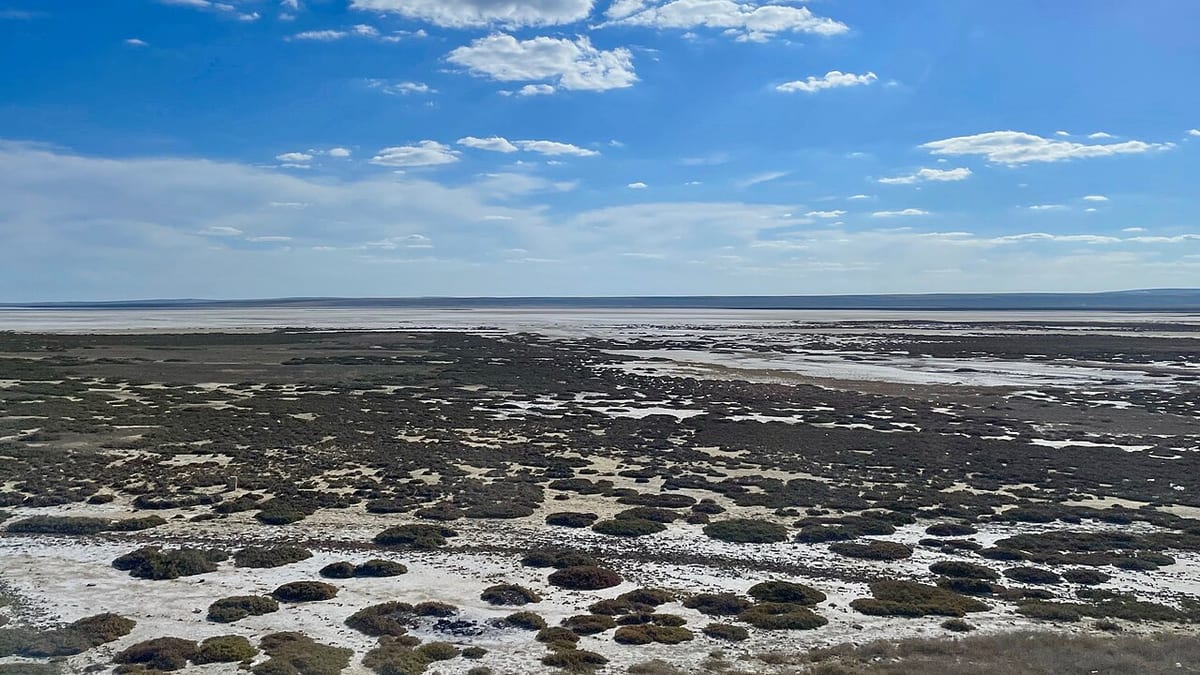
The Ministry of Culture and Tourism describes a shallow, closed-basin lake where summer evaporation exposes salt. The protected area is on UNESCO's Tentative List; that is not the same as being an inscribed World Heritage Site.[3]
For a visitor, the important consequence is variability. A photograph taken at one shoreline in one month does not establish the appearance at another access point several weeks later. Water, exposed salt, weather and the direction of light all affect what you see.
A white salt surface, reflective shallow water and pink water are different scenes. They should not be promised together as though they were fixed facilities on a visitor map. Choose the trip because the landscape interests you, with a particular photograph as a possibility rather than the condition on which the whole day succeeds.
When to go for exposed salt
The official Aksaray culture portal describes water beginning to recede from May and identifies July to November as a general period for walking on the white salt cover.[2] That is seasonal guidance, not a live inspection of a particular shoreline or permission to walk anywhere in the protected area.
For an exposed-salt visit, use those months as the starting window and ask about recent conditions at the access point you intend to use. A dated local photograph can help, provided you know where it was taken. A generic tourism image with no location or date cannot answer that question.
Summer offers the seasonal logic of a drier surface, but a midday visit should still be planned for comfort. Bring drinking water, a hat and sun protection, and do not make a long walk away from your return point the only way to enjoy the view. These are practical preparation recommendations, not a claim about facilities at every access.
Autumn can work well for a shorter landscape stop, but do not assume the lake remains in the same condition throughout November. Recent rain and the changing season can alter the surface. Keep footwear and the length of the walk adaptable rather than arriving dressed only for barefoot photographs.
Is the pink lake real?
Pink water is not merely a photographic invention: Şereflikoçhisar Municipality referred to the lake's pink appearance and increased visitor interest in a notice dated 26 August 2026.[4] That confirms a documented episode, not a permanent colour or a forecast for your visit.
The same municipal notice described litter and vehicles entering the lake area as problems requiring cleanup.[4] This is the more consequential travel lesson from the publicity: popularity does not make every shoreline track an appropriate place to drive or stop.
Do not buy a tour solely on an unqualified promise of pink water. Ask which access point it visits, what recent conditions the operator has observed and what the day includes when the colour is absent. A responsible description should leave room for natural variation.
For photography, decide whether you value a quiet landscape experience or a specific visual effect. The first can still be rewarding under ordinary conditions. The second requires flexibility and may not be achievable during a fixed short trip, however carefully the date is selected.
Pick the access point before planning the journey
The Şereflikoçhisar approach is not interchangeable with the Eskil side described in Aksaray visitor information. The culture portal's reference to public transport concerns travel from Aksaray to Eskil; it is not evidence of a direct bus from Ankara to a visitor walkway at the lake.[1][2]
Save the actual parking or visitor-access location, not just a map pin in the middle of Tuz Gölü. If hiring a driver, agree on the stop, waiting time and return journey before departure. If driving yourself, use an established road and parking area rather than following another vehicle onto the lake surface.
A town drop-off also needs a last-mile plan. Being in Şereflikoçhisar or Eskil does not by itself mean you have reached a safe, permitted shoreline access. Arrange the onward and return legs together, especially when your preferred light is late in the day.
Facilities should be confirmed for the chosen stop. A café, toilet or shop at one roadside complex does not establish services across the wider lake. Carry the essentials you need for a short outdoor visit without depending on a particular business being open.
What to do when you arrive
Begin by looking at the surface and the posted instructions rather than immediately taking off your shoes. Ask local staff where visitors are permitted to walk and whether there are sections to avoid. Stay within that advice even when distant footprints suggest somebody else went farther.
Choose footwear you can clean and carry a spare pair or socks for the return journey. Whether you step onto dry salt, remain at the edge or shorten the visit should depend on conditions, not a prearranged photograph. Do not treat a bright-looking surface as proof that it will support you everywhere.
Keep children close and preserve a clear sense of the return point. There is no need to walk a great distance from your vehicle to appreciate a broad horizon. A shorter outing with time to look is preferable to an ambitious crossing with no clear benefit.
Use a zoom lens or crop rather than approaching birds for a close image. The area's protected status and bird habitat are central to its importance.[3] Do not follow tracks into sensitive areas, remove salt as a souvenir or leave food and packaging behind.
Is it worth a separate day from Ankara?
Choose a dedicated outing when the lake itself is a priority and you can arrange a comfortable return journey. It is less persuasive when you have only a brief city stop and would be giving up Ankara's main museums for an uncertain photographic effect.
A short shoreline visit can be enough for someone interested in the landscape, while a photographer may want a flexible schedule around light and weather. Those are different plans and should lead to different transport arrangements. An inexpensive transfer that forces an unsuitable time of day may be poor value for the second traveller.
The most reliable expectation is a distinctive, changeable protected landscape. Go with a named access point, a complete return plan and enough flexibility to accept the conditions you find. That is how Lake Tuz becomes a worthwhile excursion rather than a disappointed search for a photograph taken somewhere else.