International Museum Day is observed on 18 May, but an Ankara visit needs a museum-specific programme rather than an assumption that every institution is free or open late. The 2026 celebration has passed; the next annual date is 18 May 2027. A verified citywide Ankara programme for that date was not available at this article's publication.[1]
Separate the annual date from the actual event
The International Council of Museums sets the annual observance, while participating institutions arrange their own activities. In 2026, the theme was Museums Uniting a Divided World.[1] That theme explains the context of the year's announcements; it is not a ticket or a universal admission policy.
For a traveller, the useful details are the venue, event date, start time, language, booking method and whether normal gallery access is included. A talk may be free while the collection requires a ticket. A workshop may need advance registration even when admission to the building is unrestricted. Treat these as separate questions rather than letting the phrase "Museum Day" answer all of them.
An event can also be held around the annual date rather than precisely on it. When planning a trip, preserve some flexibility across the relevant days, but do not book travel around a workshop or evening opening until the responsible museum has announced it.
What the 2026 Ankara programme does - and does not - tell you
A documented Ankara example is the jewellery exhibition listed by Turkish Museums as Legacy and Elegance: The 12,000-Year Journey of Jewellery. It opened on 18 May 2026 and brought together 550 objects from 60 museums. The published run ended on 1 September 2026.[2]
That makes it a useful example of the scale of an actual Museum Day initiative, but not an attraction to promise for an October 2026 or May 2027 visit. An old event page may remain searchable long after the exhibition closes.
Use three dates when assessing such a page: when the announcement was published, when the event took place and when you intend to travel. Only the last two determine whether you can attend. A recently crawled page can still describe a finished event.
For the next celebration, begin with the museum's own event listing and the Ministry of Culture and Tourism's museum portal. Save the actual confirmation for anything requiring registration. A general tourism calendar can help you discover an event, but it should not be the final authority on whether a place remains available.
Choose a museum cluster instead of crossing the city repeatedly
The Museum of Anatolian Civilizations is the obvious starting point for an archaeology-led day. Its official address is Gözcü Sokak 2 in Ulus, and the institution presents Anatolia's archaeological heritage in historic buildings.[3] Make it the main visit rather than squeezing it into the gap between several unrelated events.
The Rahmi M. Koç Museum at Kale Mahallesi, Depo Sokak 1 is another option in the old-city area. Its ordinary schedule is Tuesday to Friday, 10am–5pm, and weekends, 10am–6pm, with Monday closed and last admission 30 minutes before closing.[4] An exceptional Museum Day opening would need its own announcement; the annual observance does not automatically override the normal calendar.
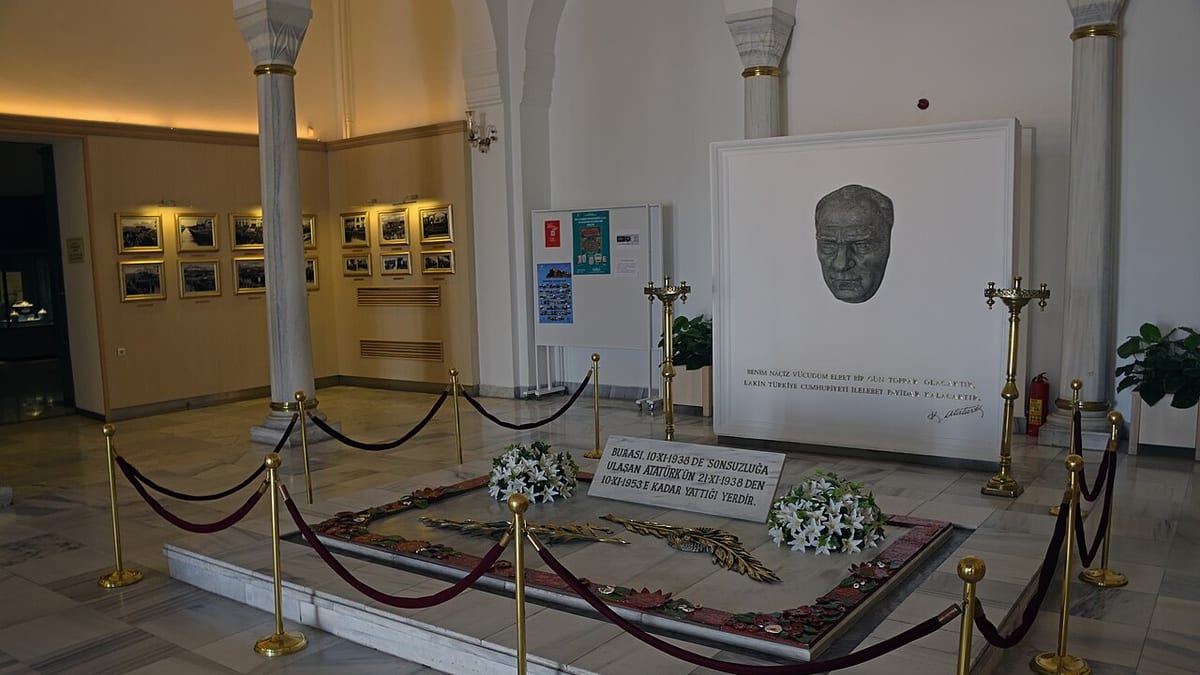
For a different emphasis, Ankara's Ethnography Museum is at Türkocağı Sokak 4 in the Opera area. Its official material describes collections connected with dress, craft and cultural life.[5] Pair it with a relevant scheduled talk or exhibition rather than treating it as simply another building to tick off.
Choose the cluster according to your interest. Archaeology and the castle-area museums make one coherent day. Material culture and an event in the Opera area make another. Two substantial visits with a break will usually be more rewarding than four hurried entries separated by transport.
A current partial closure affects the archaeology visit
The Museum of Anatolian Civilizations says its Ankara Hall and Classical Hall are closed for maintenance from 14 September 2026 to 2 March 2027, while the museum remains open.[3] This is a partial closure, not a closure of the whole institution.
For someone visiting in autumn or winter 2026, it changes expectations about the collection available. For someone planning May 2027, the stated closure period is scheduled to have ended, but that is not a guarantee of a completed reopening. Look for the museum's updated notice when the travel date approaches.
The distinction matters most for repeat visitors or travellers coming for a particular section. A first visit may still be worthwhile with other galleries open; a specialist visit centred on a closed hall should be rearranged rather than justified by the museum's general "open" status.
Ordinary admission and special-event registration should also be checked separately. A booking for a talk does not establish that every gallery is accessible before or after it.
Tickets, concessions and language
Do not assume the same concession rules apply to every visitor. The official museum portal labels MüzeKart acceptance for Turkish citizens, and other ticket categories can depend on age or status.[3] Use the conditions for your own category rather than borrowing a domestic-resident price from a Turkish-language recommendation.
At private museums, consult the institution's own ticket information. The Rahmi M. Koç Museum's English and Turkish price pages displayed different adult amounts when checked, so this guide does not present either as a universally applicable current rate.[4][6] Obtain a clear quotation for your visitor category before relying on a budget calculation.
For a workshop or guided event, language is another decisive detail. An appealing English translation of an announcement does not prove the event itself will be conducted in English. Ask for the spoken language and whether written interpretation is available before reserving a place you may not be able to use fully.
For families, establish the intended age range and whether an adult must remain with the child. For access needs, ask about the route to the specific event room, not merely whether the institution describes its main entrance as accessible.
A practical plan for the day
Start with one priority museum and one confirmed event. Place the event in the schedule first because it has a fixed time, then use the museum visit and meal break around it. Leave the final part of the day flexible rather than committing to several tightly spaced sessions.
Outside May, use the same approach without expecting a festival benefit. The Ministry's extended 2026 tourism-season hours applied from 1 May to 1 October; those dates do not establish late openings for a November visit.[7]
International Museum Day can be a reason to discover a collection or join a programme you would otherwise miss. The best Ankara plan is not the one that assumes the most free entrances. It is the one built from current, museum-specific arrangements, with enough time to understand what you came to see.
Sources
- ICOM: International Museum Day date and 2026 theme
- Turkish Museums: 2026 jewellery exhibition dates
- Museum of Anatolian Civilizations: current visitor notice
- Rahmi M. Koç Museum Ankara: English hours and prices
- Ankara Culture and Tourism: Ethnography Museum
- Rahmi M. Koç Museum Ankara: Turkish hours and prices
- Ministry of Culture and Tourism: dated 2026 extended hours