Ankara private walking tours are worth considering when you want historical interpretation, a tailored pace or help connecting several districts. They are less compelling when you mainly want a short neighbourhood stroll. Compare what the guide actually does, not just the advertised duration: a "walking tour" can involve taxis at your expense, while another may exclude visits inside monuments.[1][2]
The two products that often get compared incorrectly
A short orientation walk and a full day with a specialist guide solve different problems. The first can help you understand a neighbourhood and choose where to return independently. The second can connect museums, historic streets and modern national history, but it also consumes more of your budget and sightseeing day.
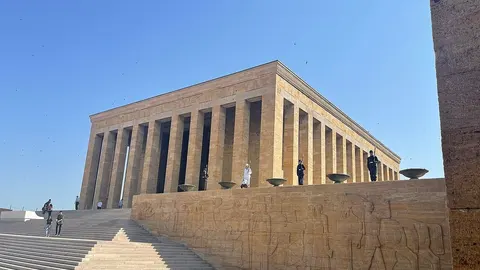
One concrete example is Tolga K.'s Ankara in a Full Day listing on ToursByLocals. The guide profile advertises an eight-hour private tour for one to three people at US$330 total. The detailed itinerary includes the Museum of Anatolian Civilizations, the castle area, Aslanhane Mosque, the Temple of Augustus and Anıtkabir.[1][3]
Crucially, the transport description says taxis are used at the traveller's expense. The guide is included; admission, transport, food and drinks are not.[1] The category "walking" therefore does not mean eight hours continuously on foot, and the advertised price is not the complete day's cost.
A separate AAA Trip Canvas listing offers a configurable private city walk from two to eight hours. Its two-hour option displayed a starting price of US$35.76, with taxes and fees calculated at checkout. The listing explicitly says it is a city tour rather than a tour inside monuments.[2]
That lower headline is not a like-for-like substitute for a museum-led full day. It also is not a confirmed total for your party until the date, group size and checkout conditions are selected. Treat both amounts as advertised examples observed during research, not quotations for an unspecified future booking.
Work out what you are paying per person - and what remains extra
The US$330 group example would divide to US$165 each for two people or US$110 each for three, before the excluded costs. Those are calculations from the advertised group price, not separate fares offered by the guide.[3]
For a solo traveller, the same private arrangement can be substantially harder to justify. The guide's time is reserved for one person rather than spread across several guests. A shorter private session focused on your main interest may offer better value than an entire day of broadly introductory sightseeing.
Build a comparison using the final booking total, expected transport, admission to the selected attractions and any agreed meal arrangements. Do not subtract entrance fees from one option while including them in another. Equally, do not assume a hotel meeting means a private vehicle is provided.
The most revealing question is often: "What would I need to pay in addition to this amount during the tour?" Ask for an answer tied to the actual route. A generic exclusions list can be technically accurate while leaving you unable to estimate the day.
For payment, keep the currency visible. A US-dollar listing and a Turkish-lira on-the-day expense should remain separate until you calculate them with the rate and payment method you will use. An apparently precise converted total can become misleading when neither the final taxi cost nor the selected admissions is known.
Where a private guide can add real value
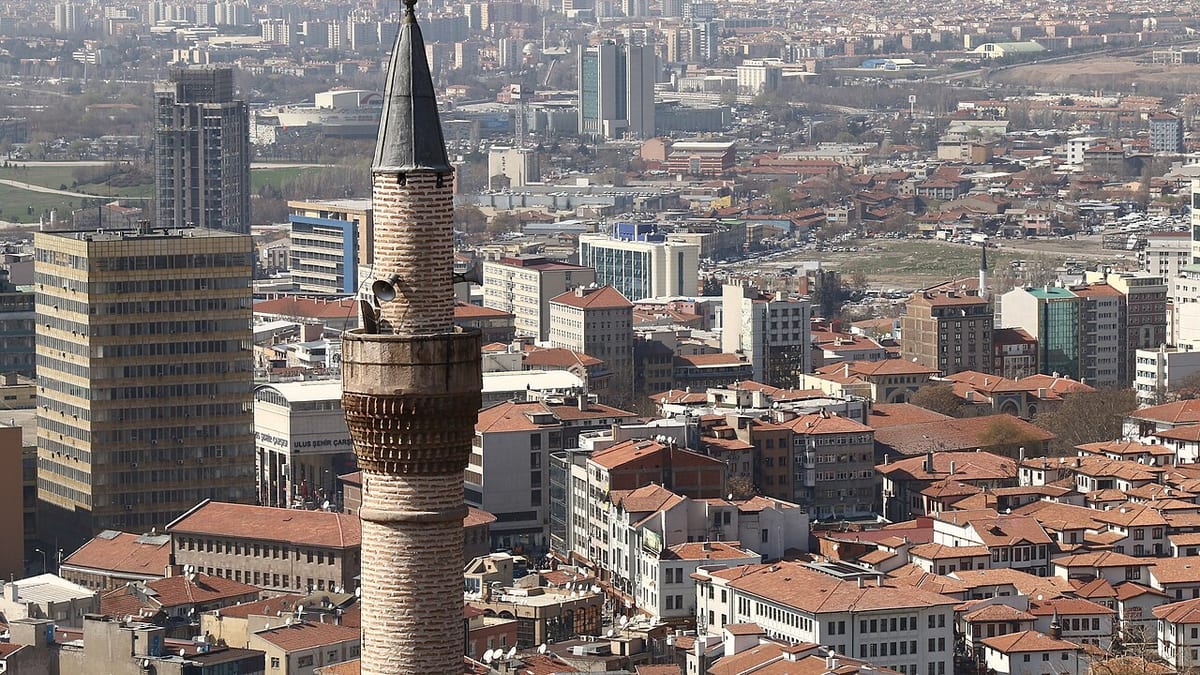
A guide is most useful when there is a clear interpretive task. At an archaeology museum, that might mean connecting unfamiliar civilisations and choosing a coherent sequence rather than reading every label. In the old city, it might mean explaining how buildings and streets relate rather than naming each stop.
Before booking, describe the questions you want answered. "I am interested in Anatolian archaeology and prefer fewer stops with more explanation" is a stronger brief than "show me everything." For a family, explain the children's ages and attention span. For a repeat visitor, identify what you have already seen.
A good customised route should also have permission to leave things out. If the museum becomes the highlight, you should know whether the afternoon can be shortened elsewhere. Otherwise, a supposedly flexible tour can behave like a rigid checklist with a private price tag.
Language is another concrete consideration. Confirm the language in which the guide will deliver the visit, not simply the languages displayed somewhere on the booking platform. Ask how museum interpretation and any audio equipment work for a group with different language needs.
Check route feasibility before judging the guide's value
An itinerary containing both the old-city sights and Anıtkabir needs a transport plan; the full-day listing itself acknowledges taxi use.[1] Ask where the transfers happen, who arranges them and whether waiting time is included in the guide's booked hours.
Seasonal opening can change the best sequence. Anıtkabir's ordinary timetable closes at 4pm from 1 November through 31 January.[4] In winter, an itinerary that leaves it until after a long lunch and several museums deserves revision rather than optimistic reassurance.
Access needs should be discussed in concrete terms. Say whether you need to avoid steps, steep sections or long periods without a seat. Ask for the proposed route and alternatives to the castle ascent. A broad booking-platform label such as "suitable for all fitness levels" is not a description of the surface you will actually cross.
For a short airport stop, use a driver-and-guide arrangement only when it explicitly includes the airport journey and a conservative return plan. A city walking-tour price should not be mistaken for an airport excursion quotation. The meeting point and the end point are part of the product, not minor details to settle after payment.
Three alternatives that can be better value
For a straightforward first visit, organise one old-city day yourself: choose a main museum, allow a lunch break and leave time for the surrounding streets. You retain the freedom to stay longer or stop early, and you pay only for the activities and transport you use.
For a specialist interest, book a shorter guided session around that subject and continue independently afterwards. This preserves the part for which interpretation matters most without paying a private guide to accompany every coffee or shopping stop.
For travellers mainly worried about getting between attractions, arrange transport rather than assuming they need a full guiding service. A driver and a guide are different roles. State clearly whether you want historical explanation, navigation, luggage handling or simply a reliable transfer, then buy the service that answers the actual need.
A private walk is a good purchase when the route, guide and level of explanation fit your interests better than an independent day would. It is a poor purchase when "private" merely means a higher price for a vague itinerary. Confirm the substance first; the duration becomes meaningful only after you know how those hours will be used.