Ankara in November works best as a city break combining daytime monuments and neighbourhood walks with museums, galleries and evening music. Pack for cool afternoons and substantially colder mornings, not Mediterranean autumn. The most useful planning change is to put outdoor visits early: Anıtkabir's ordinary closing time moves to 4pm from 1 November.[1][2]
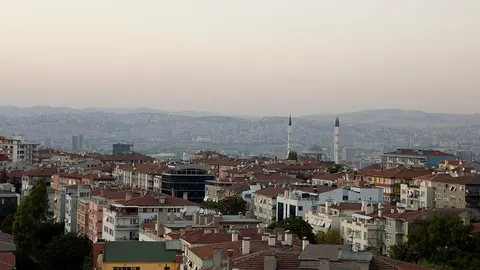
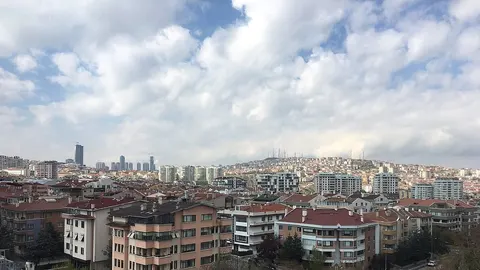
What November weather actually means for your trip
Türkiye's meteorological service reports an Ankara November mean temperature of 7.4°C, an average daily high of 13.1°C and an average daily low of 2.6°C. Its displayed observation period is 1927–2025. These are historical averages, not a forecast for November 2026 and not the separate 1991–2020 climate-normal series.[1]
The same table gives average monthly precipitation of 31.4mm and about eight precipitation days. That supports packing a rain-resistant outer layer, but it does not mean eight entirely wet days or a predictable sequence of sunny afternoons. Nor should a monthly average be read as a minimum temperature.[1]
For practical planning, dress for the coldest part of your outing rather than the warmest hour. A jacket that feels unnecessary during lunch may be welcome while waiting for transport after a concert. Keep the outer layer with you instead of leaving it at the hotel because the afternoon briefly feels mild.
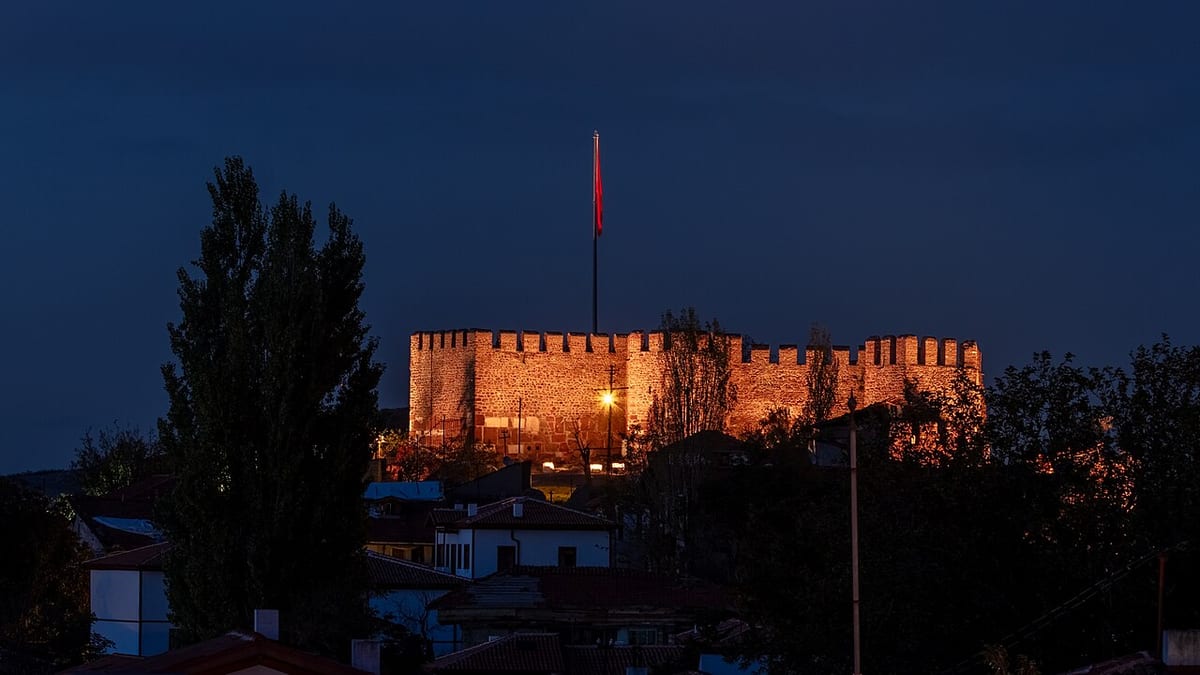
Use the short-range forecast to decide which day gets the castle-area walk and which gets an indoor programme. Make that swap before buying non-refundable activities where possible. A flexible museum day is more useful than a tightly packed itinerary built around an assumed run of dry weather.
Pack one adaptable outfit, not separate wardrobes
Start with comfortable walking shoes, trousers, a breathable base layer and a warm mid-layer. Add an outer jacket that handles wind and light rain. A scarf and compact gloves are sensible for travellers who feel the cold, especially when an outing begins early or finishes after dark.
Choose shoes for the route, not the restaurant. If your day includes the old-city streets, prioritise grip and stability over a pair that works only on smooth indoor floors. Take spare socks when wet-weather walking is likely, and leave room in your day bag for a layer removed inside a warm museum.
A compact umbrella is useful, but it should not be your only weather protection. It does little for your feet and can be awkward while handling tickets, bags or a camera. A light rain-resistant shell over a warm layer offers more flexibility than one very heavy coat that becomes uncomfortable indoors.
For an evening performance, a neat version of the same layered outfit is usually the simplest travel solution. Check the event's own conditions for any specific requirement; there is no reason to pack formal clothing solely because the itinerary contains classical music.
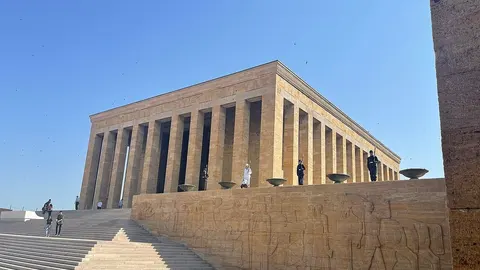
Put Anıtkabir before a late lunch
Anıtkabir's official ordinary visiting hours are 9am–4pm from 1 November through 31 January, with daily opening.[2] This is the most consequential seasonal timing detail for a November itinerary: an afternoon that seems long enough on paper can become a rushed visit if lunch and transport consume the middle of it.
My recommendation is to make it the first substantial visit of the day. Keep time for the approach, the grounds and the parts of the complex you actually intend to see rather than treating the closing time as the moment you can arrive at the entrance.
For 10 November, use the site's specific announcement for the year's commemorative arrangements rather than assuming the ordinary timetable applies unchanged. Special access or extended opening for November 2026 was not established from the standard visiting-hours page used here. Build that day around confirmed arrangements, not an old year's social-media post.
Follow the visit with lunch and an indoor stop. This sequence protects the outdoor part of the day without asking you to spend the whole morning moving between distant neighbourhoods.
Use museums and contemporary art as anchors
The Museum of Anatolian Civilizations is a strong archaeology choice, but its Ankara and Classical halls are scheduled to remain closed for maintenance until 2 March 2027. The rest of the museum remains open.[3] For a November 2026 trip, plan around the available collection rather than expecting an entirely unrestricted visit.
Make it a substantial stop in an old-city day, not a brief shelter between unrelated errands. If a particular historical period is your main interest, compare it with the closure notice before committing the afternoon. The distinction between a partially open museum and a fully available collection matters more than the general opening label.
CerModern offers a different indoor option. Its exhibitions operate Tuesday to Sunday, 10am–7pm, with Monday closed.[4] That makes it useful for a later afternoon after an outdoor morning, but not a default solution for a rainy Monday.
For November 2026, the published exhibition calendar includes Residui. Atıktan Sanata through 8 November and Kırsal ve Gelecek through 21 November. Ekrem Yalçındağ's exhibition ends on 1 November, so it belongs only to the very beginning of the month.[5] These dates should guide the order of a multi-day visit; they are not permanent attractions available every November.
Reserve an evening that gives the day a clear finish
Bilkent Symphony Orchestra's official ticket page lists an Atatürk memorial concert at 8pm on 7 November 2026, with Prokofiev's Second Piano Concerto and Beethoven's Third Symphony. It also lists concerts on 14, 21 and 28 November.[6]
Choose by programme and location, then reserve dinner and transport around the start time. An evening concert can make a short November trip feel more complete than extending sightseeing until every venue has closed. It also gives you a fixed indoor activity without depending on good weather.
Do not confuse Bilkent Concert Hall with the central CSO Ada Ankara complex. Read the hall name on the ticket and save that specific destination. Leave an unhurried interval between the afternoon's last visit and the performance rather than assuming that two cultural venues must be near one another.
A late dinner after the concert is an option only once you have a restaurant that will serve at the required time. Otherwise, eat beforehand and keep the return journey simple. That is more comfortable than turning an enjoyable performance into a search for an open kitchen.
A workable two-day November plan
For the first day, choose Anıtkabir in the morning, a proper lunch and a contemporary-art afternoon on a day CerModern is open. Finish with a booked performance only when its actual venue and travel time fit comfortably. This is an editorial sequence, not an organised tour with guaranteed transfer times.
For the second day, concentrate on the old-city area and the Museum of Anatolian Civilizations. Keep outdoor exploration around the most comfortable part of the day's forecast, with a seated break rather than a continuous march between sights.
If rain is persistent, shorten the outdoor section and give the museum more time. If the afternoon is clear and mild, do the reverse without removing your evening buffer. November rewards this kind of flexible sequencing: one important visit, one complementary activity and enough room to enjoy both without racing an early closing time.